Dave Metcalf — Owner and Dog Trainer at Agile Dogs
Are Some Dog Breeds Really Harder to Train Than Others?
Key Takeaways
- •Breeds differ in what they were bred to do, and that changes the training job, not the dog's ability to learn.
- •High-drive working breeds are the hardest on owners who cannot give daily mental work.
- •Independent breeds like terriers and hounds need better rewards and more repetition, not more force.
- •Individual temperament and your consistency matter more than the breed label on the paperwork.
- •Adult and senior dogs of any breed can learn new skills throughout their lives.
You chose a breed because it looked right, and now your dog ignores recall, hauls on the lead or barks at every cyclist. The question is whether you picked a difficult breed or whether something in your training needs to change. Honest answer below.
What Does "Hard to Train" Actually Mean?
Most dogs learn fine. The difficulty is usually a mismatch with the owner.
Almost every dog learns quickly when the reward is right. What people call hard to train is usually a dog whose instincts clash with household life: herding dogs nipping at heels, terriers digging, hounds following their nose out the gate.
So yes, breeds differ. A dog bred for hours of independent work will not sit still just because you asked nicely. But the gap is in drive and motivation, and both can be channelled. Starting early helps, which is why puppy training is the easiest place to begin.
Breed tells you what your dog is likely to want. It does not tell you what your dog can learn. Mixed breeds and rescues often defy their labels entirely.
Which Breed Types Demand the Most From Owners?
Ranked by how much daily structure each asks of you, in my judgement.
1. Border Collie, best for owners who can supply daily mental work
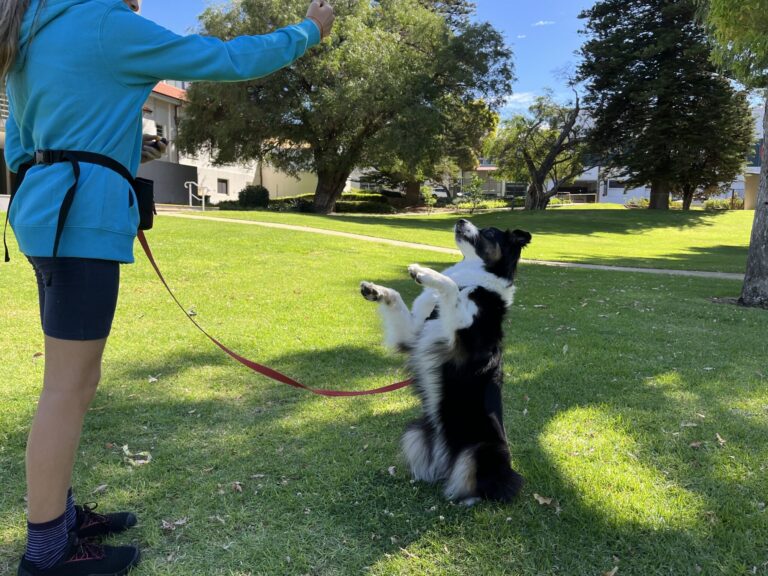
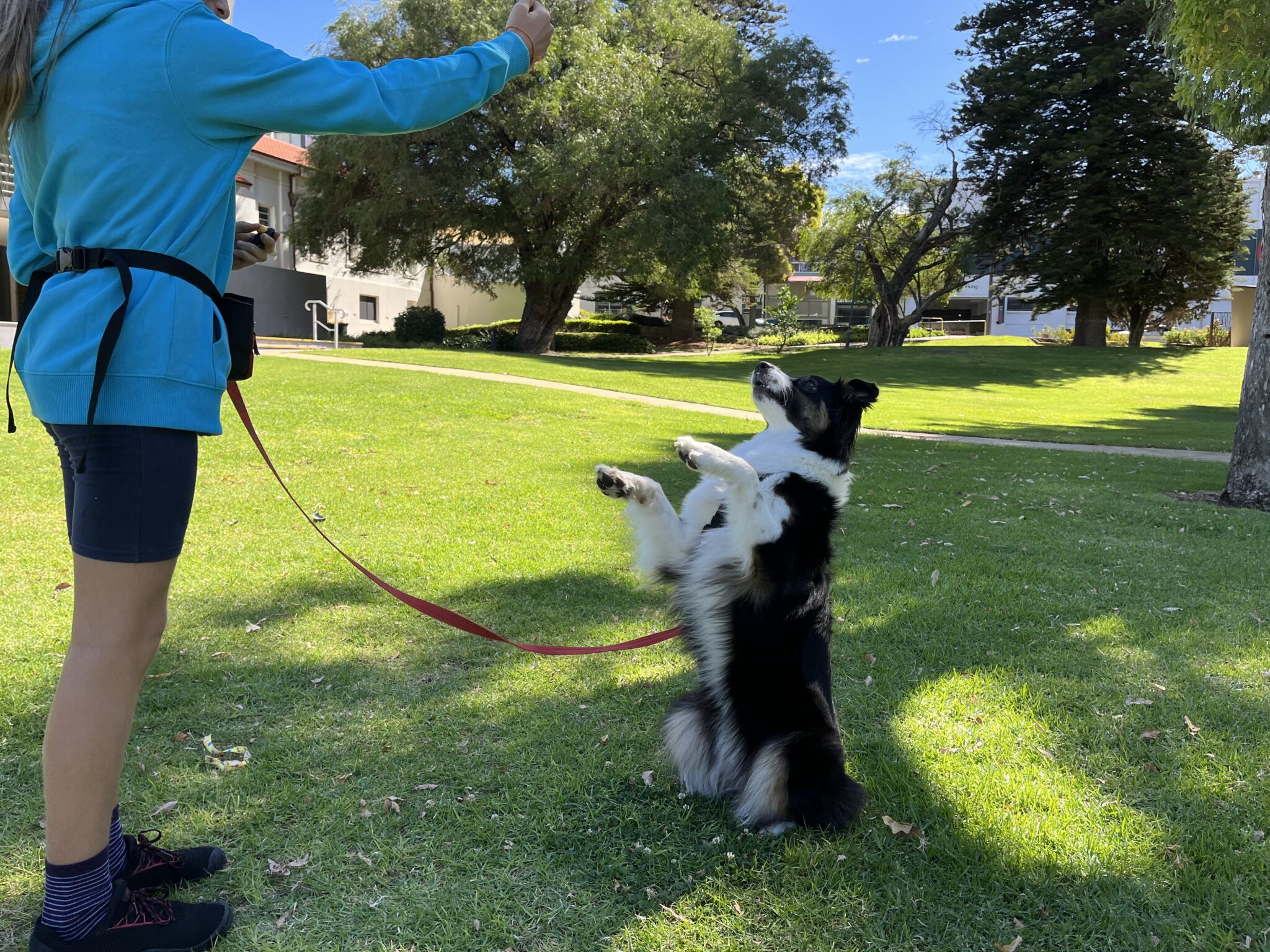
Border Collies are herding dogs, and they learn fast, which is exactly the problem. A bored one invents its own jobs: barking, chasing movement, lead reactivity or destruction when left alone.
The drawback is plain. If you cannot give daily training and exercise, problems appear quickly. Give them tasks and they thrive, particularly in agility and skills work.
Best suited for: Active owners who want a dog to work with daily. A poor match for anyone hoping a walk around the block will be enough.
2. Australian Kelpie, best for owners with space and stamina
Kelpies are working sheepdogs with stamina to match. They are eager and intelligent, but they pair that with intensity, so under-exercised ones turn to barking and destructive behaviour.
Short, frequent training sessions with clear rules suit them better than one long weekend effort.
Best suited for: Energetic owners with a secure yard and time for daily activity. Families wanting a quiet house dog will struggle.
3. Australian Cattle Dog (Blue Heeler), best for confident, consistent handlers
Cattle Dogs are bred to drive stock and are typically wary of strangers. Without early socialisation, that can show up as reactivity to other dogs and visitors.
If walks are already tense, reactive dog classes give you a structured plan rather than guesswork.
Best suited for: Confident, consistent handlers who will commit to socialisation. Inconsistent households tend to find them hard work.
4. Jack Russell Terrier, best for patient owners with a sense of humour
Jack Russells are quick, bold and easily distracted by anything that moves. Terriers were bred to work without waiting for instructions, so your cues compete with their own ideas.
Use high-value rewards and keep sessions short. Force backfires with this type.
Best suited for: Patient owners who enjoy a determined, cheeky dog. People who want instant obedience will be frustrated.
5. Beagle, best for owners who can out-reward a nose
Beagles are scent hounds. Their nose often wins over your voice, so recall off the lead is the usual sticking point, and food rewards work well because most are keen eaters.
This breed is the easiest to live with on this list, but it takes real repetition. If habits are already set, a behaviour consultation helps pin down what is driving them.
Best suited for: Owners who will practise recall patiently on a long line. A better first choice than the herding breeds above.
Other posts in this series cover breed groups and trainability, high-drive working breeds, terriers and hounds, small breeds, and mixed breeds and rescues in more depth.
How We Ranked These Breed Types
This ranking is a trainer's judgement, not a study. Each breed type earned its position on the criteria below, and no breed is ranked for how smart it is.
Original job
What the breed was developed to do (herding, hunting vermin, scent tracking). It sets the instincts you will be working with.
Daily outlet demand
How much structured exercise and mental work the dog needs each day. Unmet demand is where most behaviour problems start.
Main handler challenge
The single issue owners most often report for the type, such as reactivity or recall.
Suggested starting point
The Agile Dogs service that fits the typical first problem.
Side-by-Side Comparison
| Option | Best for | Original job | Main handler challenge | Starting point |
|---|---|---|---|---|
| 1. Border Collie | Active owners who want a dog to work with daily | Herding | Boredom behaviours | Agility or complex skills |
| 2. Australian Kelpie | Energetic owners with a secure yard and time for daily activity | Working sheepdog | Under-exercise | Obedience classes |
| 3. Australian Cattle Dog | Confident, consistent handlers who will commit to socialisation | Stock driving | Wariness and reactivity | Reactive dog classes |
| 4. Jack Russell Terrier | Patient owners who enjoy a determined, cheeky dog | Vermin hunting | Distraction, independence | Puppy or obedience classes |
| 5. Beagle | Owners who will practise recall patiently on a long line | Scent hunting | Recall | Obedience classes |
Which Breed Type Fits Your Situation?
Match your lifestyle to the dog, not the photo. Here is how I would steer different owners.
| If you are… | Look for | Best fit |
|---|---|---|
| You run daily, hike or want a sport partner | High stamina and a love of structured tasks | 1. Border Collie |
| You have a big secure yard and plenty of energy | Stamina and a dog that thrives on varied activity | 2. Australian Kelpie |
| You are experienced and willing to socialise early | A dog that bonds closely and needs firm, fair boundaries | 3. Australian Cattle Dog |
| You like a feisty, funny dog and short training sessions | Motivation through high-value rewards | 4. Jack Russell Terrier |
| You want a friendly dog and will practise recall patiently | Food-driven learning and a long line | 5. Beagle |
Common Questions About Breed and Trainability
Straight answers from the training field.
Can a first-time owner train a high-drive breed?
Yes, but only with a plan and daily time. If you cannot commit that, choose a lower-drive dog. Group classes are $30 per session, and you can come and go with no lock-in contracts.
At what age can my dog start classes?
Agile Dogs puppy classes are for puppies aged 8 to 20 weeks, held in Claremont and Yangebup. Adult and senior dogs can learn new skills throughout their lives, so start now whatever the age.
Does my dog need a behaviour consultation instead of a class?
If your dog is reactive, easily overwhelmed or working through a specific problem, a one-on-one consult suits better than a group. Behavioural consultations are $275 per consult.
Does breed matter for mixed-breed and rescue dogs?
Less than you would think. Judge the individual dog in front of you, its fears, energy and history, rather than the guessed breed mix.
Ready to Work With Your Dog's Breed Instead of Against It?
Tell us about your dog and we will point you to the right class or session. Call 0448 153 316 or send an enquiry.
Related articles
- ›Stubborn or Misunderstood? What Your Dog's Breed Group Really Tells You About Trainability
- ›Training High-Drive Working Breeds in Perth: Border Collies, Kelpies and Cattle Dogs
- ›Why Terriers, Hounds and Independent Breeds Test Your Patience (and How to Win Them Over)
- ›Do Small Dogs Get a Free Pass? Training Challenges in Toy and Small Breeds
- ›Mixed Breeds and Rescue Dogs: Why Individual Temperament Matters More Than Breed Labels
Dave Metcalf
Owner and Dog Trainer · Agile Dogs
Dave is a fully qualified dog trainer in Perth with 20 years of experience in dog training and behaviour, holding a Certificate III in Dog Behaviour and Training and a Cert IV in Training and Assessment. He owns and runs Agile Dogs, which he started in Melbourne in 2011 and has been operating in Perth for over 8 years.
Author of 6 articles on Agile Dogs
More from Dave Metcalf: How Much Does Dog Training Cost in Perth? · Puppy Classes vs Private Lessons: First Six Months · Reactive Dog Classes vs One-on-One Training in Perth